Certified Commercial Pest Control Services in the Philippines
Why Certifications Matter When Choosing a Pest Control Operator
When it comes to commercial pest control services in the Philippines, especially for food facilities, factories, warehouses, and hospitals, pest management is not just about eliminating pests. It is about compliance, safety, documentation, and accountability.
For regulated environments, choosing a pest control operator without the proper licenses and certifications can expose your business to audit findings, operational disruptions, and reputational risk.
At Entom Pest Control, certifications are not treated as mere requirements. They form the foundation of how pest management is delivered in compliance with Philippine regulations and international audit standards.
The Role of Certifications in Compliance and Audit Readiness
A certified pest control operator supports your facility’s compliance with requirements issued or enforced by multiple regulatory bodies, including the FDA, FPA, DOH, and local government units, as well as business and tax authorities such as the BIR and SEC.
For facilities undergoing HACCP, ISO, or FSSC audits, pest control documentation is one of the most consistently reviewed areas. Auditors look not only at pest activity, but at whether your service provider is licensed, trained, and operating within regulatory scope.
This is especially critical for:
• Food manufacturing and processing plants
• Warehouses and distribution centers
• Industrial facilities
• Hospitals and healthcare institutions
Essential Certifications Every Reliable Pest Control Company Should Have
1. Government and Regulatory Licenses
A legitimate commercial pest control provider should be able to present the following:
• FDA License to Operate (LTO)
Confirms authorization to use registered pest control products, particularly in food-handling and sensitive environments.
• FPA License to Operate (Commercial Applicator – Fumigator Category)
Issued by the Fertilizer and Pesticide Authority, this license authorizes the safe application of regulated pesticides and fumigation services.
• Certificate of Product Registration (CPR)
Ensures that all chemicals used are officially registered and approved for their intended applications.
• Safety Data Sheets (SDS)
Required for transparency, safe handling, emergency response, and audit documentation.
2. Business and Local Government Compliance
Beyond technical licensing, pest control companies must demonstrate legitimate business operations:
• Business License and Mayor’s Permit
• Barangay Clearance and Sanitary Permit
• BIR Certificate of Registration and SEC Registration
These documents are routinely checked during vendor accreditation and corporate audits, particularly for long-term pest control contracts.
3. Industry Memberships and Professional Accreditations
Membership in recognized pest management organizations supports ethical practice and continuing professional development, such as:
• PAPFI (Pest Control Association of the Philippines, Inc.)
• PCAP (Philippine Confederation of Pest Management Association)
• PFPMOA (Philippine Federation of Pest Management Operators’ Associations)
While not regulatory licenses, these memberships reinforce industry accountability and technical standards.
4. Quality and Environmental Management Standards
For large corporations and export-oriented facilities, management system certifications are increasingly required:
• ISO 9001 – Quality Management System
Supports consistency in service delivery, documentation control, and client satisfaction.
• ISO 14001 – Environmental Management System
Ensures pest control activities are conducted responsibly, minimizing environmental impact and supporting sustainability goals.
5. Personnel Training and Safety Credentials
Licenses alone are not enough. The competence of the service team matters.
Certified pest control providers should deploy technicians who hold:
• FPA-Accredited Applicator IDs (AROCs)
• Certified Pesticide Applicator–Fumigator IDs
• Training certificates for pesticide safety, IPM implementation, and fumigation procedures
This ensures that treatments are conducted safely, legally, and according to scientific best practices.
6. Insurance and Risk Management
Professional pest control companies maintain active insurance coverage for liability and operational risks. This protects both the service provider and the client in the event of accidents or unforeseen incidents during treatment activities.
Why Certifications Matter to Your Business
Working with a fully certified pest control operator helps your facility:
• Reduce audit risks and inspection delays
• Maintain continuous operations during regulatory reviews
• Protect brand reputation and client trust
• Demonstrate due diligence to auditors, regulators, and stakeholders
For commercial pest control in Manila and nearby provinces, certifications are not optional add-ons. They are a core requirement for compliant operations.
Certified Pest Control for Food Facilities, Warehouses, and Hospitals
At Entom Pest Control, we provide certified and documented pest management services for:
• Food plants and processing facilities
• Warehouses and logistics centers
• Industrial and manufacturing sites
• Hospitals and healthcare institutions
Our operations align with FDA and FPA licensing requirements, DOH sanitation and health standards for healthcare environments, and audit frameworks such as HACCP and ISO.
We currently serve facilities across Manila, Bulacan, Laguna, Pampanga, and surrounding areas.
Frequently Asked Questions
Do hospitals require DOH-aligned pest control services?
Yes. Hospitals and healthcare facilities must comply with DOH sanitation and health regulations, making certified, documented, and properly supervised pest control services essential.
Are certifications required for food plant pest control audits?
Yes. Food facilities audited under HACCP, ISO, or FSSC standards require licensed pest control operators, approved chemicals, trained applicators, and complete documentation.
Can a pest control company be licensed but still non-compliant?
Yes. Certifications must be current, and proper implementation, monitoring, and record-keeping are necessary to maintain compliance.
Choose a Certified Pest Control Partner You Can Trust
At Entom Pest Control, compliance is built into every service — from licensing and training to documentation and audit support.
If your facility requires certified commercial pest control services in the Philippines, we are ready to support your compliance, safety, and operational goals.
📞 Contact Entom Pest Control to request documentation or discuss a pest control program tailored to your facility.
Integrated Pest Management (IPM): Protecting the Heart of the Food and Manufacturing Industry
In the food manufacturing and processing industry, pest control isn’t just about extermination — it’s about prevention, safety, and sustainability.
At Entom Pest Control, we help factories, warehouses, and food facilities implement Integrated Pest Management (IPM) — a science-based approach that minimizes pest risks while maintaining strict compliance with international food safety standards such as HACCP, cGMP, AIB, and ISO.
What Is Integrated Pest Management (IPM)?
IPM is a comprehensive strategy that combines biological, chemical, and physical control methods to manage pests effectively. Instead of relying solely on pesticides, IPM emphasizes monitoring, prevention, and targeted action only when necessary — ensuring both food safety and environmental protection.
This approach is crucial for commercial pest control services in the Philippines, where food safety regulations and audit requirements continue to rise. Whether in a factory in Bulacan, an industrial complex in Manila, or a warehouse facility under pest control contract, a well-implemented IPM program safeguards both your products and your reputation.
Why IPM Matters to Your Business
Pests are a persistent hazard in every facility — they can cause biological contamination (bacteria, parasites, molds), chemical risks (pesticide residues, allergens), and physical hazards (rodents, insects, and debris).
IPM ensures these risks are identified early and controlled effectively.
Key Benefits of IPM for Commercial and Industrial Clients:
• Maintains compliance with local and international food safety audits.
• Prevents costly production downtime and contamination incidents.
• Reduces pesticide dependence, protecting employees and consumers.
• Supports sustainability and environmental stewardship goals.
Core Components of Entom’s IPM Program
1. Pest Monitoring and Assessment
Regular inspections identify pest activity, sanitation issues, and structural vulnerabilities.
Through trend analysis and data-driven reporting, we detect early signs of infestation before they escalate.
(Applicable for factories, warehouses, and food plants under long-term pest control contracts in the Philippines.)
2. Preventive Measures and Zoning
IPM zoning separates high-risk, medium-risk, and low-risk areas (e.g., Product Zone, Processing Area, Perimeter Zone) to prevent pest movement.
This tailored system is especially vital for industrial GPC service factories in Manila and Bulacan, where raw materials and packaging areas must be protected from contamination.
3. Personnel Training
Knowledge is your first defense. We train facility staff and roving specialists on pest identification, sanitation, safety handling, and audit-ready documentation — ensuring your team meets the standards of HACCP, FDA, and FSSC audits.
4. Action Threshold and Continuous Improvement
We apply pesticides only when pest levels exceed acceptable thresholds — meaning the cost of pest damage outweighs treatment costs.
With progressive threshold reviews, facilities continually refine their control measures based on yearly data, audit feedback, and trend reports.
5. Pest Control and Record Keeping
Effective pest management doesn’t stop at treatment — it depends on meticulous documentation and compliance.
At Entom, our specialists ensure that every step in the pest control process is traceable and audit-ready.
• Compliance-Approved Pesticides: Only FDA-registered products are used to avoid audit findings or noncompliance issues.
• Detailed Records: Each device, treatment, and inspection is logged with updated checklists, service reports, and pest monitoring documentation.
• Supporting Documentation: Includes GPC treatment forms, pest control device map layouts, facility risk assessments, and training records of our service specialists.
• Audit Preparedness: These comprehensive records ensure full traceability during food safety inspections and third-party audits.
This disciplined record-keeping process strengthens confidence during regulatory and client audits, setting a high standard for commercial pest control in Manila and nationwide.
IPM Zoning: Protecting Every Layer of Your Facility
At Entom, we implement IPM zoning tailored to your layout:
• Zone 1 – Product Zone: Strictly no chemical application to protect finished goods.
• Zone 2 – Inside Facility: Regular use of insect light traps and sealing of utility openings.
• Zone 3 – Exterior Areas: Use of fly bait stations and vegetation control around the perimeter.
• Zone 4 – Neighborhood Zone: Monitoring of potential pest sources near residential or industrial surroundings.
This system ensures comprehensive protection for warehouses, food plants, and factories under commercial pest control in Manila and nearby provinces.
Partner With Entom Pest Control
With decades of experience in the industrial and commercial pest control sector in the Philippines, Entom Pest Control offers tailored IPM programs for every type of business — from food manufacturers in Laguna to factories in Bulacan and warehouses across Metro Manila.
Our commitment is simple:
We protect your facility, your products, and your people — sustainably and scientifically.
Contact us today to learn more about our commercial pest control services Philippines, or request a warehouse pest control contract tailored to your operations.
Frequently Asked Questions
Is Integrated Pest Management required for food safety audits?
Yes. IPM is a core requirement in most food safety systems, including HACCP, cGMP, and ISO-based audits, because it emphasizes prevention, monitoring, and documentation.
How often should IPM inspections be conducted?
Inspection frequency depends on facility risk, but food plants and warehouses typically require regular monitoring under a long-term pest control contract.
Do IPM programs still use pesticides?
Yes, but only when necessary and within approved thresholds, using FDA-registered products and proper documentation.
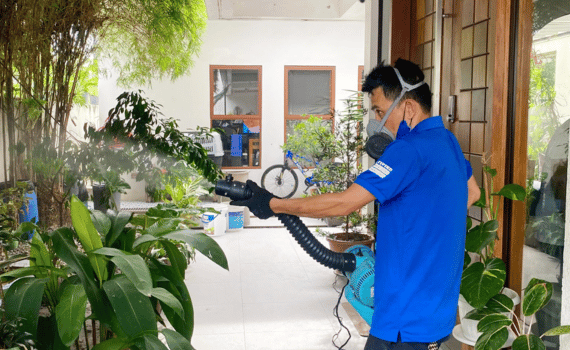
Advantages of Hiring a Pest Control Company
- Expertise: Pest control companies have trained professionals with expertise in identifying, treating, and preventing pest infestations.
- Effective Solutions: They use specialized equipment and techniques to effectively eliminate pests, ensuring long-term results.
- Safety: Pest control companies prioritize safety, using products and methods that are safe for humans, pets, and the environment.
- Time and Convenience: Hiring a professional saves time and effort, allowing homeowners to focus on other priorities while the experts handle pest control.
- Preventive Measures: Professional pest control services offer preventive treatments to stop pests before they become a problem, saving money on potential damage repairs.
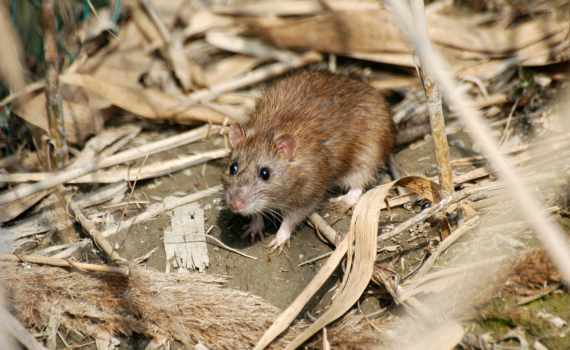
Effects of Pests on Human Health
Pests, ranging from insects and rodents to larger wildlife, pose significant risks to human health. Their impacts are diverse, often resulting in direct and indirect health issues.
Disease Transmission: Many pests are vectors for diseases. Mosquitoes, for instance, transmit malaria, dengue fever, Zika virus, and West Nile virus. Ticks can spread Lyme disease and Rocky Mountain spotted fever, while rodents like rats and mice are known carriers of hantavirus, leptospirosis, and plague.
Allergies and Asthma: Pests such as cockroaches, dust mites, and rodents contribute to allergies and asthma. Cockroach droppings, saliva, and body parts are common allergens that can exacerbate asthma symptoms, especially in children. Dust mites thrive in household dust and can trigger allergic reactions and asthma attacks.
Food Contamination: Pests can contaminate food supplies, leading to foodborne illnesses. Rodents, for example, can spread Salmonella and E. coli through their droppings and urine. Insects like flies and cockroaches can carry pathogens from unsanitary areas to food and surfaces, increasing the risk of gastrointestinal diseases.
Bites and Stings: Certain pests directly harm humans through bites and stings. Bed bugs, fleas, and lice feed on human blood, causing itching, allergic reactions, and in some cases, transmitting diseases. Stinging insects like bees, wasps, and hornets can cause painful stings, allergic reactions, and, in severe cases, anaphylaxis.
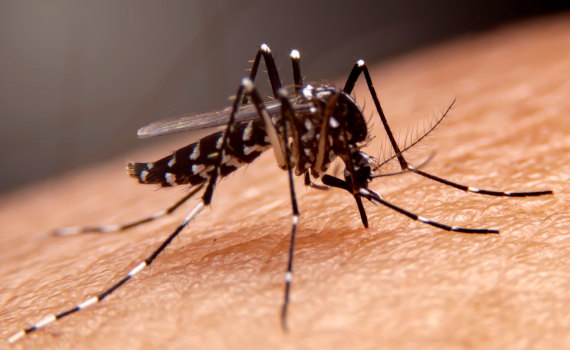
Dengue Prevention and Control in the Philippines
Dengue fever, a mosquito-borne viral illness, remains a significant public health challenge in the Philippines. The disease, transmitted primarily by the Aedes aegypti mosquito, can lead to severe complications and even death, especially among children.
Preventive Measures: The Department of Health (DOH) has been actively promoting the “4S” strategy to combat dengue:
- Search and Destroy – Eliminate mosquito breeding sites by regularly emptying and cleaning water containers.
- Self-Protection – Use mosquito repellents, wear long-sleeved clothing, and install screens on windows and doors.
- Seek Early Consultation – Consult a healthcare provider immediately when experiencing symptoms like high fever, severe headache, pain behind the eyes, and joint and muscle pain.
- Say Yes to Fogging – Support fogging operations in areas with increased cases to kill adult mosquitoes.
Community Engagement: Local governments and communities play a crucial role in dengue prevention. Regular community clean-up drives, proper waste disposal, and public education campaigns are essential in reducing mosquito habitats.
Vaccination: The Philippines has also explored dengue vaccination as part of its prevention strategy, though it is recommended primarily for those with a history of dengue infection to avoid potential risks.
Efforts to control dengue in the Philippines require a multi-faceted approach involving government initiatives, community participation, and individual responsibility to ensure a sustained reduction in dengue cases.